

Make Your Garden a Wildlife Sanctuary
Gardeners are in the front line of the battle to preserve nature. By taking simple measures, you can help provide essential food and habitats, turning your backyard into a healthy ecosystem. Australian gardeners, in particular, have a brilliant opportunity to experience the pleasures of our exceptional flora and fauna. With some attentive landscaping and suitable plant selection, we can attract many captivating native creatures, helping to sustain breeding populations for future generations.
In this Jim’s Mowing blog, you’ll learn:
- Simple methods for designing a wildlife habitat.
- How to safely attract birds, butterflies, and frogs.
- The danger of chemicals and the need for natural pest control.
- Which native and exotic plants provide crucial winter food sources.
Part 1: Guidelines for Drawing Wildlife to Your Garden
The types of wildlife that will flourish in your garden depend on several factors, including the proximity of adjoining bushland and the presence of predators. The most effective way to attract animals is to design your garden as a true habitat where wildlife can not only visit but also make a home.
1. Provide Essential Shelter and Perches
Creating safe havens is paramount. Wildlife needs places to rest, observe, and hide from predators.
- Nesting Boxes
These make a good substitute for tree hollows, which are rare in urban areas. Place them high for birds and marsupials.
- Tall Perches
Trees or other tall structures provide vantage points where birds can survey your garden and decide if they can find food and shelter in safety.
- Ground Cover
Rockeries, logs, and piles of sticks offer vital habitats for reptiles such as blue-tongue lizards and frogs.
2. Protect Against Predators and Hazards
While inviting wildlife in, you must also mitigate risks.
- Counteract Predators
Take active steps to counteract the presence of predators such as cats, dogs, and foxes, especially at dawn and dusk.
- Netting Caution
If you have fruit trees and popular roses, you may need to use netting during times when damage is most likely. Always erect a framework covered with netting, or inspect the thrown-over netting frequently. Birds, bats, and snakes can get caught in netting, requiring you to carefully cut them loose.
- Window Collisions
If a bird sees what it perceives to be a clear flight path through your house, injury or death can result when it impacts an intervening window. Blinds, curtains, and decorative objects placed behind the window will help discourage this accidental problem by breaking up the reflection.
3. Commit to Chemical-Free Gardening
This is arguably the most crucial guideline. Do not use chemicals in your garden.
- Toxicity
Chemicals pose an immediate risk of acute toxicity, which can result in immediate death for wildlife.
- Long-Term Harm
Even small doses lead to a long-term build-up of toxic substances in local wildlife populations, affecting their breeding and health.
- Natural Pest Control
In many cases, native birds, reptiles, and frogs will provide adequate natural control of pests such as snails and aphids without the need for chemical intervention.
4. Understand Supplementary Feeding
Supplementary feeding can be provided at times of the year when natural supplies are scarce, but it should never become a primary food source. The healthiest course is to try to provide natural food sources for as great a part of the year as possible.
Safe Placement
Nectar feeders, seed trays, and tables should be placed in locations that provide a safe haven from unintended predators that may be lurking nearby. Clean all feeders regularly to prevent the spread of disease.
Part 2: Attracting Specific Wildlife Groups
Tailoring your plant choices and garden features can help you attract specific and delightful creatures.
Attracting Native Birds to Your Garden
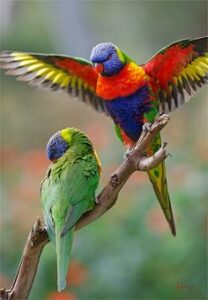
Birds are one of the simplest groups to entice due to the wealth of appropriate native Australian plants available.
- Nectar Feeders
Nectar-feeding birds are easily attracted by a range of plants, including eucalypts, angophoras, banksias, grevilleas, waratahs, and kangaroo paws. Look for tubular-shaped flowers, which indicate plants pollinated by honeyeaters, spinebills, and wattlebirds.
- Seed Eaters
The remarkable parrot family, including lorikeets and rosellas, feeds on nectar as well as seeds from eucalypts, acacias, casuarinas, and tea trees. Finches, such as red-browed firetails and zebra finches, will feed on the seed of native grasses like wallaby and kangaroo grass.
- Insect Eaters
Superb fairy-wrens, fantails, and thornbills are insectivorous and will greatly aid in controlling pest insects in your garden.
- Protection for Small Birds
Small birds will appreciate dense, spiky-leafed plants such as Grevillea rosmarinifolia, Acacia oxycedrus, and Melaleuca styphelioides to enable them to have a safe haven and nesting site.
- Fruiting Plants
Rainforest plants, including Lillypillies and blueberry ash, have colourful berries that appeal to parrots as well as various species of native pigeons.
Enticing Butterflies to your Garden

Butterflies and moths bring a special beauty to the garden and play a vital role as pollinators. Most species feed on nectar from the base of flowers.
Landing Platforms
Plants like Everlasting and Brachyscome daisies not only provide nectar but the flat daisy flower heads provide a great landing platform for butterflies.
Host Plants
Do not automatically destroy all caterpillars in your garden unless they are doing major damage. Caterpillars are the larval stage of butterflies and moths, and they require their specific host plants to complete their life cycle.
Attractive Plants
Other plants particularly attractive to butterflies include Grevilleas, Pimeleas (rice flowers), Lomandras (mat-rushes), and Dianellas (flax lilies).
Attracting Reptiles and Frogs

Frogs and small reptiles will be attracted by ponds that have a natural feel, complete with suitably placed rocks and water plants.
Pond Benefits
Such a pond will also benefit birds and mammals, and as a side benefit, frogs and reptiles will control mosquito larvae and other insect pests.
Simple Pond Design
A pond can be as simple as a solid styrofoam box or an old kid’s paddling pool—a great project to share with the children. Larger pools can be created with commercially available plastic ponds or rubber liners.
Water Safety
Be aware that care is needed with young children, as they can drown in even shallow bodies of water. A netting overlay can be made to cover the pond for peace of mind.
Perches and Safety
A log or large rock placed partially in the water provides a safe perch for birds to drink and bathe, shielded from predators like cats.
Winter Food Sources for Garden Wildlife
Providing food in the colder months is critical, as natural supplies are often scarce.
- Native Winter Blooms
A number of Australian plants offer winter sustenance, such as most correas (native fuchsias), various Banksia species, and ever-blooming grevilleas (e.g., ‘Robyn Gordon,’ ‘Superb,’ ‘Moonlight,’ and ‘Misty Pink’).
- Seed in Autumn
Autumn-flowering wattles (Acacia iteaphyla, linifolia, and terminalis) along with native grasses such as kangaroo and wallaby grass will provide seed through the winter months.
- Exotic Support
Many exotic garden plants, such as camellias, red hot pokers, fuchsias, and members of the hibiscus family and abutilon, will also provide supplementary food sources for a number of native bird species.
- Weed Management
A number of hostile or weedy species like jasmine, ivy, and even blackberries can and do provide nesting and sheltering sites for birds and possums. If you intend to substitute these weedy species, it is best to gradually remove them and replace them with more environmentally friendly, dense native plants rather than leave large, exposed gaps in the landscape.
Jim’s Mowing NZ: Professional Gardening Services
Creating a balanced wildlife sanctuary often requires more than just planting—it involves structural landscaping, careful weed removal, and potentially converting existing areas (like an old pool) into a habitat.
If you want to add a professional touch to your wildlife sanctuary, or if you need assistance with the physical work, call the experts at Jim’s Mowing NZ! Our Landscaping Services are perfect for:
- Habitat Design – Strategically planting native species and placing habitat elements like rockeries and logs.
- Weed Removal – Safely and gradually removing invasive weeds and replacing them with native screening plants.
- Garden Conversions – Assistance with converting older garden areas or pools into low-maintenance wildlife-friendly water features.
- Lawn Care – Don’t forget our complete Lawn Care Services to keep your entire property thriving while preserving habitat borders.
Conclusion
Turning your garden into a wildlife sanctuary is a profound and rewarding investment in local biodiversity. By thinking about your backyard as part of a larger ecological corridor and providing the simple needs of food, water, and shelter, you can enjoy the fascinating spectacle of nature right outside your window. From the smallest finch to the largest lizard, every creature that visits your garden helps build a healthier, more balanced ecosystem for your community.
For professional assistance with habitat planning, landscaping, or garden maintenance, call Jim’s Mowing on 0800 454 654 for your free no-obligation quote or book online now!


